
1. Introduction to Iron-On Patches: Versatility and Value
Iron-on patches pull double duty: they rescue worn garments and unlock fast, creative customization. Whether you’re covering a tear in denim or turning a plain jacket into a statement piece, success hinges on controlling heat, time, and pressure. In this guide, you’ll get a clear toolkit checklist, fabric do’s and don’ts, and a step-by-step method for flawless adhesion. We’ll also preview pro tips like using a pressing cloth, pre-heating the fabric, and cooling for a secure bond—so your patch looks sharp and stays put.
Table of Contents
- 1. Introduction to Iron-On Patches: Versatility and Value
- 2. Essential Tools and Materials for Successful Application
- 3. Step-by-Step Iron-On Patch Application Guide
- 4. Avoiding Common Pitfalls in Patch Application
- 5. DIY Custom Patch Creation with Embroidery Machines
- 6. Practical Applications: Repair and Creative Customization
- 7. Product Selection and Long-Term Maintenance
- 8. Conclusion: Mastering the Art of Iron-On Patches
- 9. Frequently Asked Questions
2. Essential Tools and Materials for Successful Application
2.1 Heat Source Selection: Irons vs. Heat Presses
Choosing the right heat source dictates consistency:
- Household irons
- What to look for: reliable high heat, even soleplate, and precise control. Set to the highest safe setting for your garment—often the cotton setting. Guidance in the sources ranges from approximately 266°F to 370°F for many adhesives, with embroidered patches commonly bonding around 320°F–350°F; American Patch recommends at least 370°F, and Little League notes “Cotton setting or 400 degrees.” Always disable steam—moisture interferes with bonding (American Patch and Little League).
- How to use: keep the iron stationary over the patch to avoid shifting and adhesive smearing (American Patch). If your iron lacks a digital readout, the cotton setting is your best proxy for high, steady heat.
- Professional heat presses
- Why they help: superior temperature accuracy and even pressure across the whole patch area (Perplexity). They often require shorter dwell times than household irons (American Patch). Great for repeatability and thicker patches.
Practical heat benchmarks from the provided research:
- General iron-on range: 266°F–356°F (Perplexity), with many embroidered patches performing well near 350°F.
- Denim and other sturdy fabrics tolerate higher heat; heat‑sensitive synthetics require lower settings and added protection.
- Steam-free operation is consistently recommended (American Patch, Little League).
2.2 Fabric Compatibility and Limitations
Pick fabrics that can take—and hold—heat:
- Ideal bases
- Cotton and cotton/poly blends: dependable heat tolerance and fiber structure that bonds well with adhesive (Perplexity).
- Denim: rugged and excellent for functional, long-wear applications (Perplexity).
- Problematic or to avoid
- Nylon, rayon, leather, vinyl: prone to scorching or melting at the temperatures needed for proper activation (American Patch; Perplexity).
- Other heat-sensitive or plush surfaces (e.g., velvet, minky, fleece) require extra care, lower temperatures, and a protective layer (Perplexity).
- Safer alternatives for delicate materials
- Choose a sew-on version of the patch or lightly stitch around the edges after ironing if the surface proves tricky (YouTube: Mo West).
Always test heat on an inconspicuous area and follow the patch maker’s instructions when available (Perplexity, American Patch).
2.3 Protective Accessories and Workspace Setup
A careful setup prevents scorches and slippage:
- Pressing cloth
- Use a thin cotton barrier (pillowcase or bandana) to shield both patch and garment while allowing efficient heat transfer (American Patch; Perplexity; YouTube).
- Especially important on delicate or synthetic fabrics.
- Firm, heat-safe surface
- Use an ironing board or a flat table covered with two layers of towels for stability and insulation (American Patch). Keep the fabric smooth—wrinkles undermine adhesion.
- Garment prep
- Launder and dry first (Little League). Pre-heat the target area with your iron to drive out moisture and warm the fibers before placing the patch (American Patch).
Disable steam throughout the process (American Patch, Little League).
3. Step-by-Step Iron-On Patch Application Guide
3.1 Precision Positioning and Heat Activation
- Align with intention
- Confirm the garment can be ironed (American Patch). Use a measuring tape to center; pin or lightly tape the patch to preview placement (American Patch).
- Pre-heat and stage
- Smooth the garment on your board, lay down a pressing cloth, and pre-warm the application area (American Patch). Place the patch, then cover it again with the pressing cloth.
- Initial press
- With steam off, apply firm, stationary pressure for 30–60 seconds at approximately 350°F when suitable for the fabric and patch type (Perplexity). American Patch recommends at least 60 seconds for many iron-on adhesives. Avoid sliding the iron—movement can shift the patch and smear adhesive (American Patch).
3.2 Two-Stage Pressure Technique for Maximum Adhesion
- Front, then back
- After the first press, repeat a second front press to ensure complete activation (American Patch).
- Flip the garment and press from the reverse side for another 30–60 seconds, keeping the iron stationary to drive adhesive into the fibers (American Patch; YouTube). Heat presses may need less time (American Patch).
- Timing variations
- Some instructions suggest an initial 20–25 seconds followed by up to 60 seconds for full activation, depending on patch thickness and adhesive (Perplexity). Use the manufacturer’s guidance when available.
3.3 Cooling and Adhesion Verification Protocols
- Cool to set
- Let the area cool for about 1 minute before handling (Little League). Cooling is part of the bond‑forming process (American Patch).
- Edge check
- Gently test edges for lift (American Patch). If you feel looseness, re-cover with the pressing cloth and press again.
- Reinforce if needed
- For high‑stress garments or stubborn corners, add a few discreet hand stitches around the edge after cooling (YouTube: Mo West). This simple reinforcement improves longevity without changing the look.
4. Avoiding Common Pitfalls in Patch Application
4.1 Temperature and Pressure Mismanagement
Heat discipline makes or breaks the bond.
- Match heat to fabric and adhesive
- Use medium–high heat that your fabric can tolerate. Sources consistently recommend dry heat, not steam; empty the iron’s reservoir and disable steam entirely (Perplexity; American Patch; Little League).
- A pressing cloth (thin cotton) protects delicate or synthetic surfaces from scorching while still allowing effective heat transfer (Perplexity; American Patch).
- Time and pressure, done right
- Keep the iron stationary to prevent smearing and shifting (American Patch).
- Apply firm, even pressure long enough to fully activate the adhesive. Guidance ranges from 20–60 seconds (Perplexity) to at least 60 seconds, repeated (American Patch). Some denim repair tutorials demonstrate up to two minutes on heavy jeans (YouTube: Ron’s Basement).
- Press the front, then flip and press the back side as well to drive adhesive into the fibers (American Patch; Little League; Perplexity).
- Cool before you test
- Let the area cool (about 1 minute) before handling or checking edges; moving the patch during cooling weakens the bond (Little League; Perplexity).
4.2 Placement Errors and Edge Vulnerability
Most patch failures start at the edges—or from rushing the layout.
- Prevent misalignment
- Measure and mark before heat; pin or lightly tape to preview placement (American Patch).
- Pre‑press the fabric area to remove moisture and wrinkles for a flat, even surface (American Patch).
- Secure the corners
- Corners and edges are the first to lift. Focus heat and pressure on the perimeter during both front‑ and back‑side presses (Perplexity).
- If corners lift after cooling, re‑cover with a pressing cloth and re‑press. For high‑stress garments, add a few discreet stitches around the edge for hybrid strength (YouTube: Mo West; Perplexity).
4.3 Material-Specific Application Challenges
Different surfaces demand different tactics.
- Uneven or thick areas (seams, pockets, heavy denim)
- Use a firm, heat‑safe surface (e.g., board or towel‑covered counter) for consistent pressure (Perplexity; American Patch).
- Increase press duration within safe guidelines and always finish with a back‑side press (American Patch; Perplexity).
- For larger tears, ensure overlap onto solid fabric—avoid bridging gaps with adhesive alone (Perplexity).
- Waterproof or heat‑sensitive materials
- Synthetics like nylon or vinyl can scorch or deform at typical patch temperatures; consider sew‑on versions or light edge stitching after a gentle press (American Patch; Perplexity; YouTube: Mo West).
- Always use a pressing cloth and test on an inconspicuous area first (Perplexity; American Patch).
- “Shiny side down”
- Place adhesive side down to avoid sticking the patch to your iron—a common beginner mistake highlighted in tutorials (YouTube: Ron’s Basement).
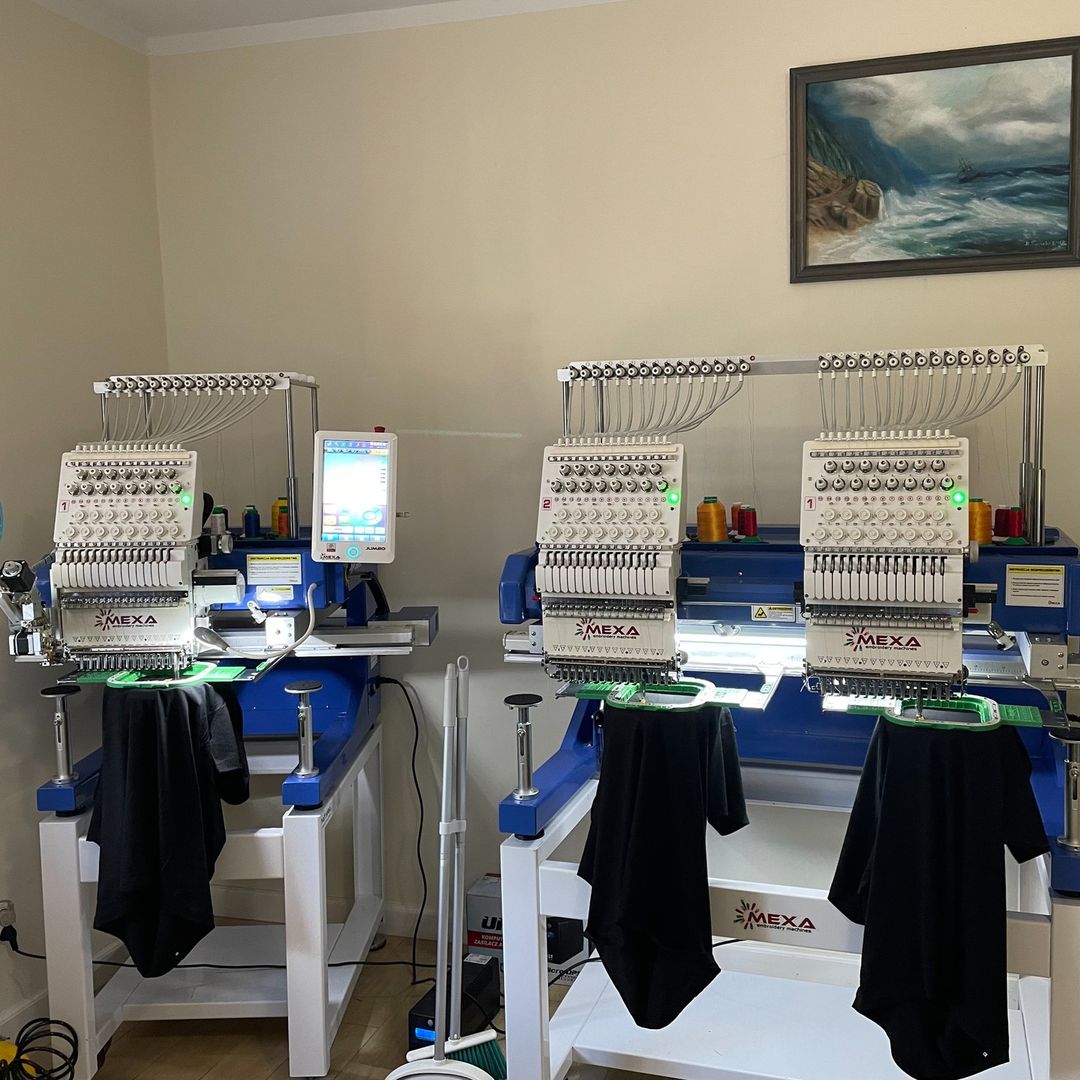
5. DIY Custom Patch Creation with Embroidery Machines
5.1 Digitizing Software and Design Optimization
- Software choices for beginners
- Embrilliance PatchArtist streamlines patch building for novices. It can automatically wrap designs with a patch edge and supports common shapes, making clean borders fast and repeatable (Perplexity; YouTube: Embrilliance PatchArtist).
- Hatch Embroidery Digitizer offers robust functions, automatic digitizing options, and multiple stitch types for versatile creation as your skills grow (Perplexity).
- Design best practices
- Keep artwork simple with strong line weight and high color contrast for clarity in thread (Perplexity).
- Mind size limits—small, dense details don’t always translate well. Many home workflows favor patches up to about 5 inches for clean edges and structure (Perplexity).
- Optimize stitch density and tension to prevent puckering; thoughtful digitizing reduces bulk and improves finish (Perplexity).
5.2 Materials and Equipment for Professional Results
- Recommended materials
- Patch twill as the base fabric for a professional look and stability (Perplexity).
- Cutaway stabilizer to support dense stitching and keep shapes crisp (Perplexity).
- Heat‑seal backing (e.g., Madeira Heat Seal) to convert finished pieces into iron‑on patches (Perplexity).
- A Teflon sheet or pressing cloth for clean heat application during backing adhesion (Perplexity).
- Hoops and hooping, made easier
- Magnetic embroidery hoops help maintain fabric tension with minimal effort and quick setup—especially useful for repeatable placement on patch twill.
- MaggieFrame magnetic embroidery hoops provide strong holding force, even tension across the sew field, and quick hooping compared to screw‑type hoops. The lineup covers more than 17 sizes (from small squares to large rectangles) and fits a wide range of commercial and industrial embroidery machines via compatible brackets. Many users value the speed and ease of use for production runs.
- For garment embroidery projects (not caps/hats), MaggieFrame can significantly reduce hooping time—helpful when you’re making dozens of patches in a session.
5.3 Embroidery Execution and Finishing Techniques
- A smooth, repeatable workflow
1) Hoop materials
- Hoop cutaway stabilizer and patch twill securely with your magnetic hoop (e.g., MaggieFrame) so the surface is flat and taut.
2) Stitch order
- Run any placement/outline stitches, then fill areas, then the border. PatchArtist can generate a clean, merrow‑style border look for a polished edge (YouTube: Embrilliance PatchArtist; Perplexity).
3) Backing application
- After embroidery, remove the piece from the hoop, trim jump threads, and apply heat‑seal backing with a pressing cloth or Teflon sheet using dry heat per the backing’s instructions (Perplexity; YouTube: Embrilliance PatchArtist).
4) Trimming
- Trim the patch close to the border for a clean silhouette. Coloring any exposed bobbin specks with a matching permanent marker is a common finishing touch seen in tutorials (YouTube: Embrilliance PatchArtist).
- Batch production tips
- Duplicate multiple patches within one hoop area (as shown in beginner tutorials) to reduce rehooping time (YouTube: Embrilliance PatchArtist).
- Some creators recommend saving files with optimized “jumps” to avoid unnecessary background stitching while keeping alignment tidy (YouTube: Embrilliance PatchArtist).
- MaggieFrame’s quick hooping can cut setup time dramatically versus screw‑tightened frames—useful for larger orders. Pairing the hoops with a hooping station (e.g., MaggieFrame’s HoopTalent) can further standardize placement and speed, especially across dozens of pieces.
6. Practical Applications: Repair and Creative Customization
6.1 Garment Restoration Techniques
Give worn garments a second life—especially denim.
- Prep and positioning
- Clean and fully dry the area, trim loose threads, and lay the garment flat on a firm, heat‑safe surface (Perplexity).
- For holes and tears, position the patch adhesive‑side down with enough overlap on solid fabric—Perplexity recommends at least 1/2 inch beyond the damaged zone for reliable hold.
- Heat and pressure
- Cover with a pressing cloth, use dry heat, and keep the iron stationary with firm pressure. Guidance ranges from 20–60 seconds (Perplexity) to at least 60 seconds, repeated (American Patch). Heavy denim repairs shown in tutorials may take up to two minutes on the inside, plus a brief outside press (YouTube: Ron’s Basement).
- Flip and press from the back side, then let cool before testing edges (American Patch; Little League).
- Reinforcement for high‑wear zones
- Add a zigzag or straight stitch around the patch to bolster the perimeter—especially at knees, pockets, and inner thigh areas. Perplexity notes additional stitching along vertical threads can help in friction‑heavy spots.
- Real‑world demos show well‑applied jeans patches holding up for years under regular wear (YouTube: Ron’s Basement).
- Reactivation and repair
- If a corner lifts later, re‑press with a pressing cloth using firm, dry heat. For stubborn spots or aged adhesive, fabric glue is a viable backup (Perplexity).
6.2 Fashion Personalization Trends
Iron‑on patches aren’t just for mending—they’re a canvas for self‑expression.
- Oversized and statement designs
- 2025 trend forecasts highlight bold, oversized patches with retro logos, sci‑fi motifs, bright colors, and metallic accents—often the central design on jackets and bags (Perplexity).
- Retro and nostalgic aesthetics
- Vintage band art, travel badges, and classic smiley faces are surging, merging ’70s–’90s vibes with modern thread quality for sharper color and durability (Perplexity).
- Luminescent and reflective details
- Glow‑in‑the‑dark and reflective threads add night‑time presence and a futuristic edge for streetwear, festival fits, and safety‑minded accents (Perplexity).
- Personalization and storytelling
- Alphabet/name patches thrive on platforms like Etsy and Amazon. Monograms, team names, and memory badges turn garments into “wearable storytelling” that marks trips, concerts, or milestones (Perplexity).
- Hybrid techniques
- Digital printing plus embroidery expands what’s possible—photoreal elements with tactile stitch borders—while still allowing you to apply with heat‑seal backings (Perplexity).
Ready to try? Start with a small denim repair or digitize a simple patch in PatchArtist or Hatch, then press it onto a tote or jacket for instant, personal style.
7. Product Selection and Long-Term Maintenance
7.1 Top Iron-On Patch Brands and Features
If durability matters (and it always does), start with quality patches and adhesive backings.
- ZEFFFKA Premium Quality Iron-On Patches
- What stands out: 100% cotton patches with a durable hot‑melt adhesive backing designed for machine washing. Sets commonly include multiple denim shades to blend repairs on jeans, and users highlight reliable wash performance without needing to hand‑wash.
- Why it lasts: Material quality and adhesive chemistry are primary drivers of longevity. Cotton twill bases and robust hot‑melt adhesives maintain bond strength through heat fluctuations and moisture exposure better than thinner, budget materials.
- How ZEFFFKA compares to budget packs
- Wash durability: Research indicates properly applied iron‑on patches typically endure around 20–30 laundry cycles; under optimal care, two to three years of wear is possible. Lower‑tier adhesives often trend toward the shorter end of that range (about six to twelve months) when garments see frequent washing or heavy use.
- Adhesive quality: Higher-grade, heat‑activated formulations bond more consistently and resist edge lift better over time; budget adhesives are more prone to early peeling—especially at corners and on stress points.
- Fabric compatibility: Cotton and denim offer the most reliable bond. Synthetics (like nylon) are heat‑sensitive and less receptive to adhesives; on these, sew‑on patches or hybrid reinforcement (a few stitches around the edge after ironing) outperform adhesives alone.
- Ease of use and technique matter
- Iron‑on is fast and accessible, but the initial application dictates long‑term results. Follow temperature/pressure guidance: many adhesives activate around 300°F–350°F for roughly 30–45 seconds, and cooling is part of bond formation. Stationary pressure (no sliding) and a press‑from‑the‑back step further improve adhesion (as shown by American Patch and demonstrated in Patch Collection’s tutorial with a one‑minute cool‑down).
- Iron‑on vs. sew‑on
- Sew‑on has the edge for ultimate longevity. A hybrid approach—iron‑on first, then discreet stitching around the border—blends speed with long‑term security.
7.2 Washing and Drying Protocols for Longevity
Care is half the battle. With the right laundry habits, iron‑on patches commonly survive about 20–30 wash cycles and, in best‑case scenarios, up to two to three years.
- Before you wash
- Turn garments inside out to protect patch surfaces from direct agitation.
- Inspect edges and corners; if you spot early lift, re‑press with dry heat (cover with a pressing cloth) to reactivate adhesive. A few perimeter stitches can add insurance for high‑stress areas.
- Washing settings
- Cold water helps preserve adhesive integrity. Use mild detergents and skip bleach or harsh chemicals that can degrade the bond.
- Opt for gentle cycles to minimize mechanical stress on patch edges. Washing patched garments with lighter loads reduces snagging and friction.
- Drying methods
- Air‑drying is the safest option for adhesion over time. If you must machine‑dry, use the lowest heat possible.
- Heat and tumbling together accelerate adhesive fatigue; line‑drying slows that down.
- Ongoing maintenance
- Spot‑clean when feasible to cut full wash frequency.
- Store patched garments in a cool, dry place; humidity and heat can negatively affect adhesive systems over the long haul.
- Application choices that boost wash life
- Start with a clean, dry, pre‑heated fabric surface; use dry heat only (no steam).
- Apply stationary pressure from the front, then flip and press from the back; allow a full cool‑down before wear (American Patch; Little League; Patch Collection).
8. Conclusion: Mastering the Art of Iron-On Patches
Dial in three pillars—heat control, steady pressure, and fabric awareness—and your patches will look sharp and stay put. Apply on cotton or denim when possible, press from both sides without steam, and let the bond cool before testing edges. For longevity, wash inside out on cold and air‑dry. Ready to go further? Try DIY patch creation, then press your custom work onto jackets, totes, or denim for fast, personal style.
9. Frequently Asked Questions
9.1 Q: How do I fix a corner that’s lifting after a few washes?
A: Cover the area with a pressing cloth and re‑apply firm, dry heat to reactivate the adhesive. Press from the front and then the back, allow a full cool‑down, and retest the edges. For high‑stress garments, add a few discreet stitches around the perimeter to reinforce the bond.
9.2 Q: Can I remove an iron-on patch without ruining the garment?
A: Adhesives set as they cool and can be sensitive to heat. If removal is necessary, consult the patch maker’s guidance. Work slowly and test in an inconspicuous area first; proceed cautiously to avoid fabric damage. If residue or shadowing remains, consider covering the area with a new patch or switching to a sew‑on alternative.
9.3 Q: My patch won’t stick to nylon or similar synthetics. What can I do?
A: Heat‑sensitive synthetics are challenging for iron‑on adhesives. Use a pressing cloth, reduce heat within safe limits, and press from both sides; if edges still lift, choose a sew‑on version or lightly stitch around the iron‑on after pressing. Cotton or denim bases provide far better long‑term adhesion.
9.4 Q: What wash routine keeps patches on the longest?
A: Turn garments inside out, use cold water and a gentle cycle with mild detergent, and air‑dry whenever possible. Inspect edges before washing; re‑press early lifts. With careful laundering, many iron‑on patches hold for about 20–30 wash cycles, and under optimal care can last longer.
